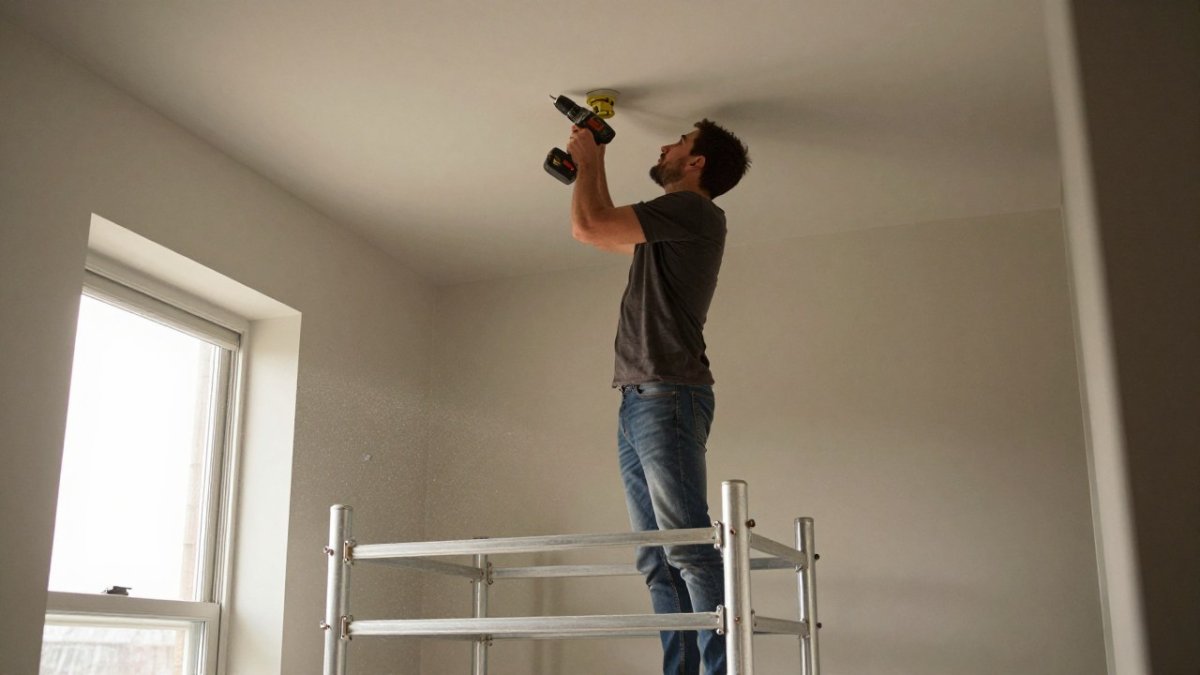
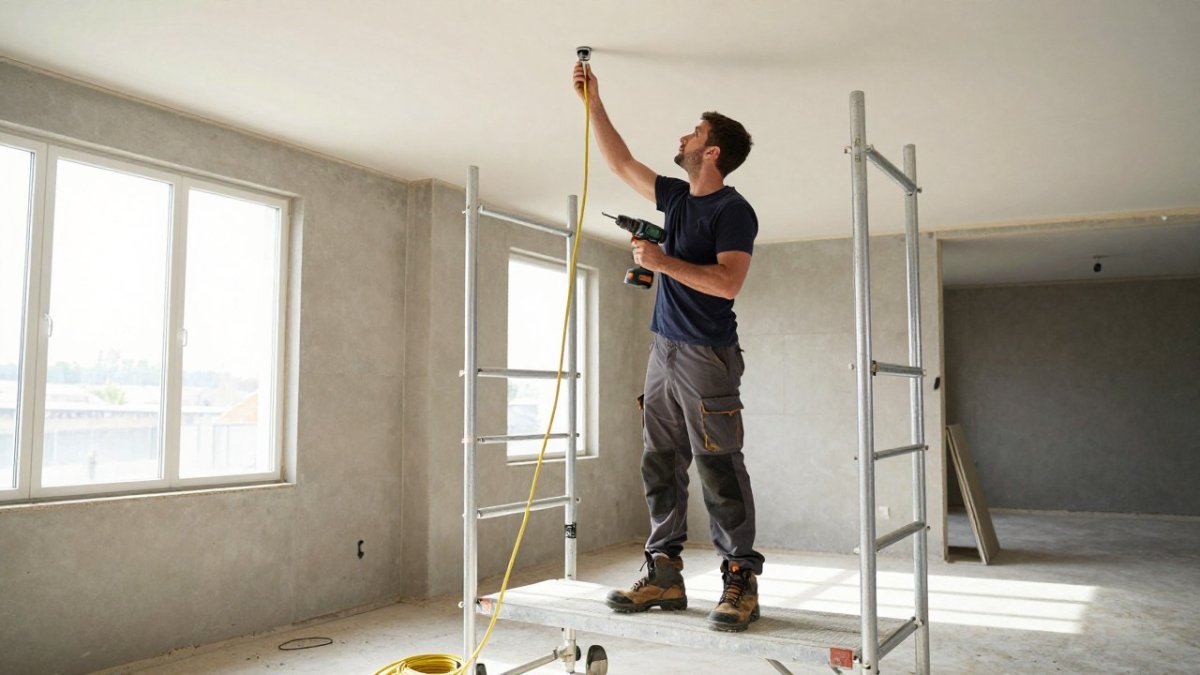
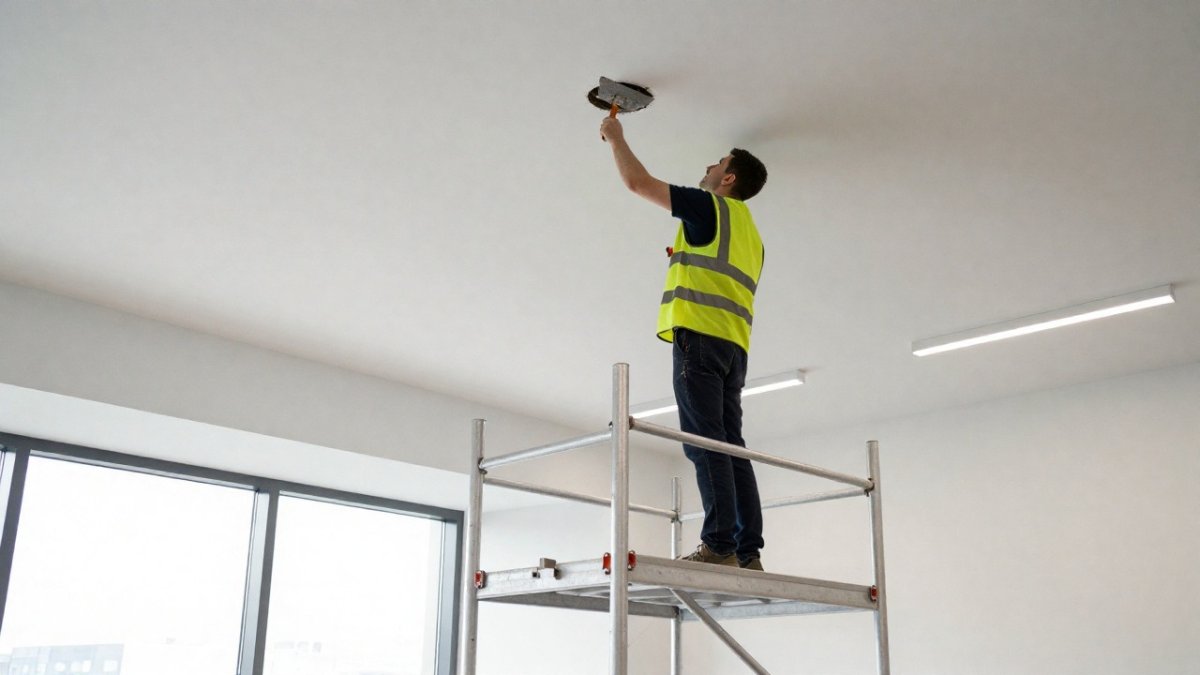
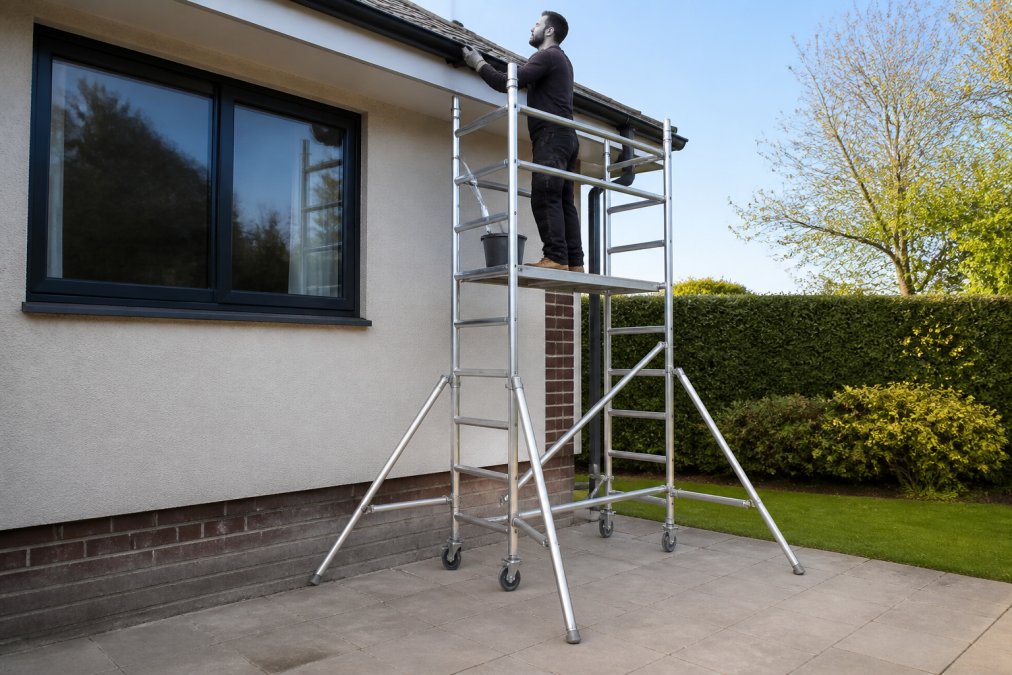
 Comparison
Aluminium Scaffold Towers for Small Projects: Worth It?
Table of Contents
- Are Aluminium Scaffold Towers Worth It for Small Projects?
- Aluminium Scaffold Tower Hire vs Buy: Which Makes Sense
- Scaffold Tower Safety Regulations and Compliance
- PASMA Training Requirements for Scaffold Towers
- Aluminium vs Steel and Other Materials
- Real-World Cost Analysis for Small-Scale Work
- The Verdict: When to Buy and When to Hire
- Frequently Asked Questions
Last Updated: September 18, 2026
Are Aluminium Scaffold Towers Worth It for Small Projects?
Whether aluminium scaffold towers for small projects are worth it depends entirely on how frequently you work at height and what you're trying to accomplish. The answer isn't straightforward, which is why we've broken down the decision into cost, safety, and practicality factors that matter for contractors, decorators, and facility managers.
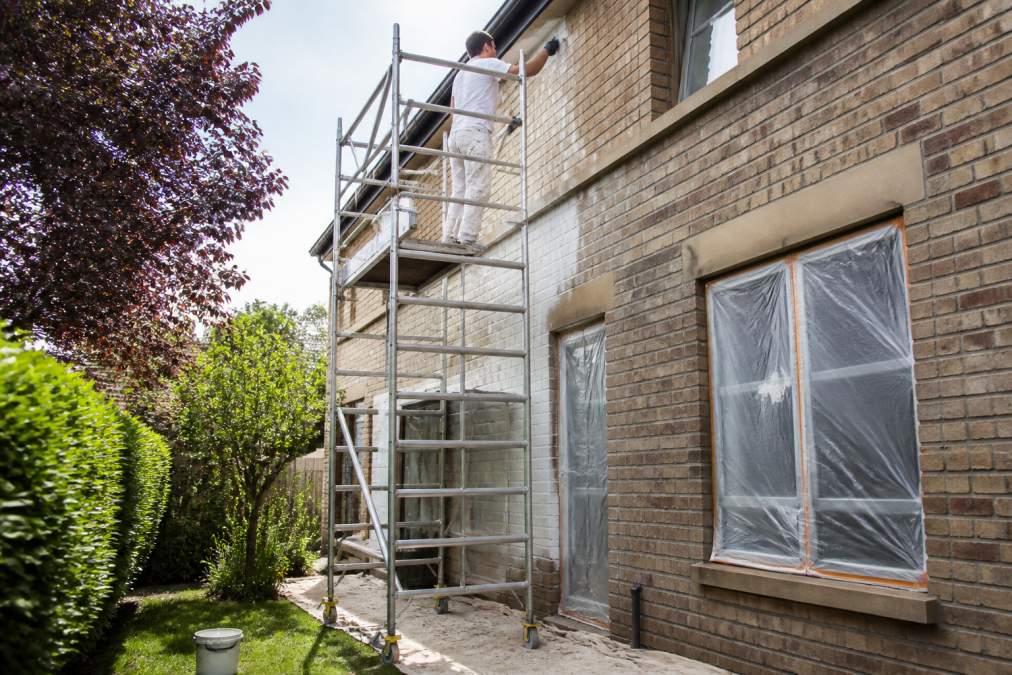
If you're doing a one-off loft conversion or gutter repair, hiring might make more sense than buying. But if you're running a regular decorating or maintenance business, owning an aluminium scaffold tower quickly becomes the smarter financial choice. The real question isn't whether aluminium scaffold towers are worth it, it's whether your project timeline and budget align with ownership or hire.
At Leader Pro Scaffold Towers, we work with contractors across the UK who face this exact decision. The difference between hire and buy comes down to three factors: project frequency, storage space, and upfront capital. Most small operators find that three to four projects per year tips the balance toward ownership.
Aluminium Scaffold Tower Hire vs Buy: Which Makes Sense
Hiring an aluminium scaffold tower costs less upfront but accumulates quickly over time. Renting typically starts at a certain amount per week for basic aluminium models through hire specialists, while glass reinforced plastic (GRP) non-conductive towers rent for higher premiums due to their specialised safety features for electrical work.
The hire model works best when you need equipment for a specific job lasting days or a few weeks. You avoid storage headaches, maintenance responsibilities, and the capital outlay. Hire companies handle delivery, setup support, and collection, which reduces your logistics burden.
Purchasing an aluminium scaffold tower makes financial sense when you use the equipment regularly. You own the asset, control availability, and eliminate rental waiting times. The trade-off is storage space, aluminium towers still require dedicated room when not in use, though they're far more compact than steel alternatives.
Here's the practical breakdown:
| Factor | Hire | Buy |
|---|---|---|
| Upfront cost | Varies | £500-£2,500+ |
| Cost per week (annual use) | Varies | Amortised over time |
| Storage required | None | Dedicated space needed |
| Maintenance responsibility | Hire company | Your responsibility |
| Setup time | Delivery included | You assemble |
| Best for | One-off projects | Frequent, regular work |
Hire companies handle compliance and inspections, which reduces your administrative burden. When you own equipment, you're responsible for ensuring it meets current safety standards and conducting regular checks.
Scaffold Tower Safety Regulations and Compliance
Aluminium scaffold towers in the UK must comply with BS EN1004, the British and European standard for mobile access towers and working platforms. This standard sets requirements for structural integrity, stability, load capacity, and safe assembly procedures.
BS EN1004 certification isn't optional, it's a legal requirement under the Work at Height Regulations 2005. Any tower you hire or purchase must carry this certification. The standard ensures the equipment can safely support workers and materials at specified heights.
When you buy an aluminium scaffold tower, verify that the manufacturer provides BS EN1004 certification documentation. Leader Pro Scaffold Towers supplies towers that meet these standards, with certificates available for audit purposes. If a supplier can't produce this certification, the equipment is non-compliant and creates legal liability for your business.
Compliance also extends to regular inspection and maintenance. You must inspect towers before each use for damage, corrosion, or missing components. Annual professional inspections are recommended for equipment in regular use. Hire companies conduct these inspections as part of their service; ownership places this responsibility on you.
PASMA Training Requirements for Scaffold Towers
PASMA (The Prefabricated Access Suppliers' and Manufacturers' Association) certification isn't mandatory by law, but it's the industry standard that employers and hire companies expect. PASMA training covers safe assembly, use, and dismantling of mobile access towers.
The PASMA one-day course teaches practical skills: how to assemble towers correctly, recognise hazards, understand load limits, and conduct pre-use checks. After completing the course, you receive a card valid for three years. Renewal requires a refresher course before expiry.
Many hire companies now require proof of PASMA training before renting equipment. Some larger contractors and facilities managers won't allow workers on site without current certification. If you're serious about scaffold tower work, PASMA training is a practical investment, not just a checkbox for compliance.
The course costs vary. For small teams, this is a modest investment compared to the cost of accidents or fines. PASMA training also covers the specific requirements for different tower types, including GRP non-conductive towers used near electrical installations.
Aluminium vs Steel and Other Materials
Aluminium scaffold towers dominate the small-project market because they balance weight, strength, and cost. Aluminium is lighter than steel, making manual assembly faster and safer for smaller crews. It resists corrosion naturally, so maintenance is minimal compared to painted steel towers.
Steel towers are heavier, require more labour to assemble, and need regular paint maintenance to prevent rust. For small projects, the extra weight and maintenance burden outweigh any structural advantage. Steel is overkill for most residential and small commercial work.
Glass reinforced plastic (GRP) towers offer a specialised advantage: they're non-conductive, making them essential for electrical work. If you're maintaining power lines, working near live electrical installations, or operating in hazardous environments, GRP is non-negotiable. Hire costs are higher, but safety is non-negotiable in electrical environments.
Timber scaffold towers are rarely used in modern construction. They're labour-intensive to assemble, deteriorate quickly outdoors, and offer no advantage over aluminium for small projects.
For most small-project contractors, aluminium scaffold towers for small projects represent the practical choice. They're light enough for two people to handle, durable enough for years of regular use, and simple to maintain.
Real-World Cost Analysis for Small-Scale Work
A typical aluminium scaffold tower suitable for residential work, a 2-metre platform height unit, has a purchase cost that varies depending on features and load capacity. Renting the same tower has a weekly cost that also varies.
If you complete four projects per year, each lasting two weeks, you spend a certain amount annually on hire. Over five years, that could be a significant sum, potentially nearly equivalent to purchasing a new tower. But you've owned nothing and face potential rental delays if equipment is unavailable.
Ownership costs include the initial purchase, occasional replacement parts, and storage space. If you have available space in a garage or workshop, storage is free. If you need to rent external storage, that cost affects the equation.
The break-even point for most small operators falls between three and four projects annually. Beyond that threshold, ownership becomes financially superior within two to three years.
The Verdict: When to Buy and When to Hire
Buy an aluminium scaffold tower if you complete three or more access projects annually, have storage space available, and want to eliminate rental delays. Ownership gives you control, reduces ongoing costs, and builds a valuable asset for your business. Leader Pro Scaffold Towers offers manufacturer-direct pricing and next-day UK delivery, making ownership practical for small teams.
Hire an aluminium scaffold tower if you have one or two projects per year, lack storage space, or need specialised equipment (like GRP towers for electrical work) that you don't use regularly. Hire companies handle compliance, inspections, and logistics, valuable services if you're not using towers frequently enough to justify in-house expertise.
The decision ultimately depends on your project pipeline.
Frequently Asked Questions
Is it cheaper to hire or buy an aluminium scaffold tower for small projects?
For one-off projects lasting a few weeks, hiring is usually cheaper. Rental costs vary for standard aluminium towers. However, if you undertake regular small projects throughout the year, purchasing becomes cost-effective over time with regular use. Calculate your annual access needs and compare against rental frequency before deciding.
Do I need PASMA training to use an aluminium scaffold tower?
PASMA (Prefabricated Access Suppliers' and Manufacturers' Association) training is not legally mandatory, but the Health and Safety Executive recommends it as best practice. If you're assembling, using, or dismantling towers regularly, PASMA certification demonstrates competence and is often required by clients or insurers. A one-day course covers safe assembly, inspection, and use.
What are the main safety regulations for using scaffold towers in the UK?
Scaffold towers must comply with BS EN1004 standards and the Work at Height Regulations 2005. Key requirements include proper assembly on level ground, use of stabilisers, regular inspection, and ensuring users don't exceed weight limits. Your tower must be inspected before first use and after any damage or extended storage. The Health and Safety Executive provides detailed guidance on working at height safely.
How quickly can I assemble an aluminium scaffold tower for a small job?
Most aluminium towers with quick-lock mechanisms assemble in 30-60 minutes, depending on height and complexity. Modular designs allow one or two people to handle components safely. Zip-style systems with quick-lock frames are faster than traditional bolt-together models. Always follow the manufacturer's instructions and allow time for proper levelling and stabiliser adjustment before climbing.
Choosing the right access equipment affects both safety and profitability. Whether you buy or hire, ensure your towers carry BS EN1004 certification and that your team completes PASMA training. Get started with Leader Pro Scaffold Towers to explore purchase options with manufacturer-direct pricing, comprehensive spare parts availability, and expert support before and after your purchase.