 How-to
When to Replace a Scaffold Tower Instead of Extending It
Last Updated: 16 November 2026
Quick Summary
Replace a scaffold tower instead of extending it when the tower is worn, bent or corroded, when the height needed is beyond the maker's rated maximum, or when same-system parts are unavailable. Extend only when the tower is sound, within its rating and fitted with matching parts.
- Working height is the platform height plus roughly 2 metres for a person standing on it.
- Bolting on a lift the tower was never rated for can make it sway or tip and voids compliance.
- One failed part is a repair; multiple failed parts or distorted frames mean replacement.
- Inspect before first use, after adding a lift, at regular intervals and after moving or high wind.
- A clean inspection record supports extension; repeated defects support replacement.
Table of Contents
- Why the Replace-or-Extend Decision Matters More Than You Think
- Assessing the Task: Reach, Load and Duration Before You Add a Lift
- Scaffold Tower Compatibility and Manufacturer Limits for Extensions
- Scaffold Tower Damaged Parts: Condition-Based Replacement Criteria
- Your Scaffold Tower Inspection Checklist Before Any Extension
- Scaffold Tower Inspection Frequency and Who Should Sign It Off
- The Extend vs Replace Decision Matrix: Cost, Time and Risk
- Choosing Your Next Tower or Extension from Leader Pro
- Frequently Asked Questions
Why the Replace-or-Extend Decision Matters More Than You Think
Reaching for an extra lift the moment a job needs more height can be the wrong instinct, and it is where accidents and wasted money can begin.
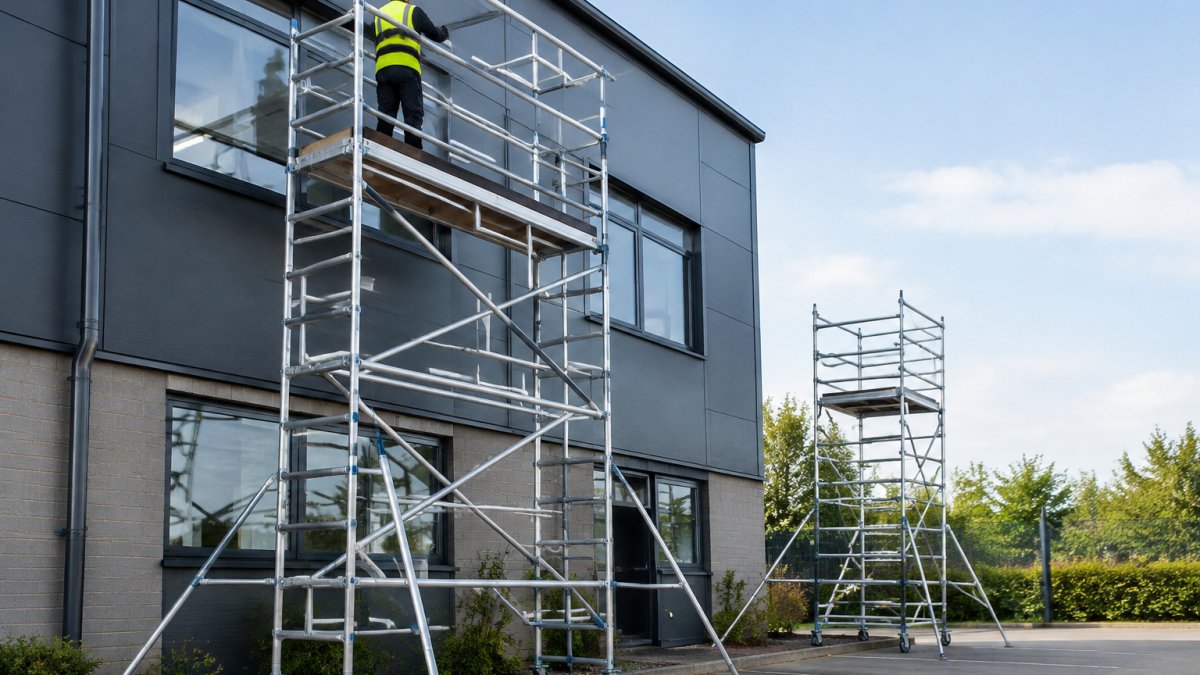
Contractors often weigh up exactly this choice. A scaffold tower is a temporary working platform built from frames, braces and guardrails, designed to a set standard and a stated maximum height. Push past that design or bolt on the wrong parts and you no longer have a compliant tower.
Three things make this decision urgent in 2026:
- Standards are strict. BS EN 1004 sets the design and safety rules for mobile access towers, and a tower built outside those rules is not a compliant working platform.
- Liability sits with the user. Under the Work at Height Regulations 2005, the person in control of the work must make sure the equipment is suitable, stable and inspected. "It was fine last time" is not a defence.
- Extensions are not universal. Not every tower can take another lift, and not every frame is rated to go higher.
Below, we break down how to assess the task, what the manufacturer's limits actually mean, how to spot worn parts, and a clear framework for choosing between extending and replacing.
Assessing the Task: Reach, Load and Duration Before You Add a Lift
Start with the job, not the tower. Three factors decide whether an extension is even worth considering: how high you need to reach, how much weight the platform will carry, and how long the work will take.
Working height is the height of the platform plus roughly 2 metres for a person standing on it. Platform height is the deck itself. Confusing the two is a common mistake, and it leads people to buy or extend a tower that is too short for the actual reach. Check the Health and Safety Executive guidance on working at height for how the regulations frame safe access.
Then weigh the load. Tools, materials and people all count toward the tower's rated capacity. A long decorating job with heavy gear on the deck is a different proposition from a quick electrical fix with a small bag.
Finally, duration. A short task may suit a modest tower at a lower height.
If you need to know how high a tower can safely go before you commit, our guide to maximum scaffold tower heights explains the height limits and stabiliser rules that apply.
Scaffold Tower Compatibility and Manufacturer Limits for Extensions
Here is the point most guides skip: an extension is only safe if the tower maker designed for it. Mixing frames, braces or platforms from different systems is a compatibility risk, even when the parts look like they fit.
Before you add a lift, confirm four things with the manufacturer's instructions:
- The tower is rated for the extra height. The maximum height is a design limit, not a suggestion.
- The parts are from the same system. Frames, braces and guardrails should match the tower they are going on.
- Stabilisers or outriggers are specified for that height. Higher towers need wider footing to stay stable.
- The base is level and firm. Uneven ground undermines any tower, extended or not.
Single and double width towers behave differently as they grow. If you are unsure which you have, our comparison of single and double width towers sets out the difference in capacity and stability.
Watch out: bolting on a lift that the tower was never rated for can turn a stable platform into one that sways or tips. That is a fall risk, and it voids any claim that the tower is compliant.
Scaffold Tower Damaged Parts: Condition-Based Replacement Criteria
A worn tower is not a candidate for extension. It is a candidate for repair or replacement. The question is how to judge condition objectively, rather than by whether it "looks alright".
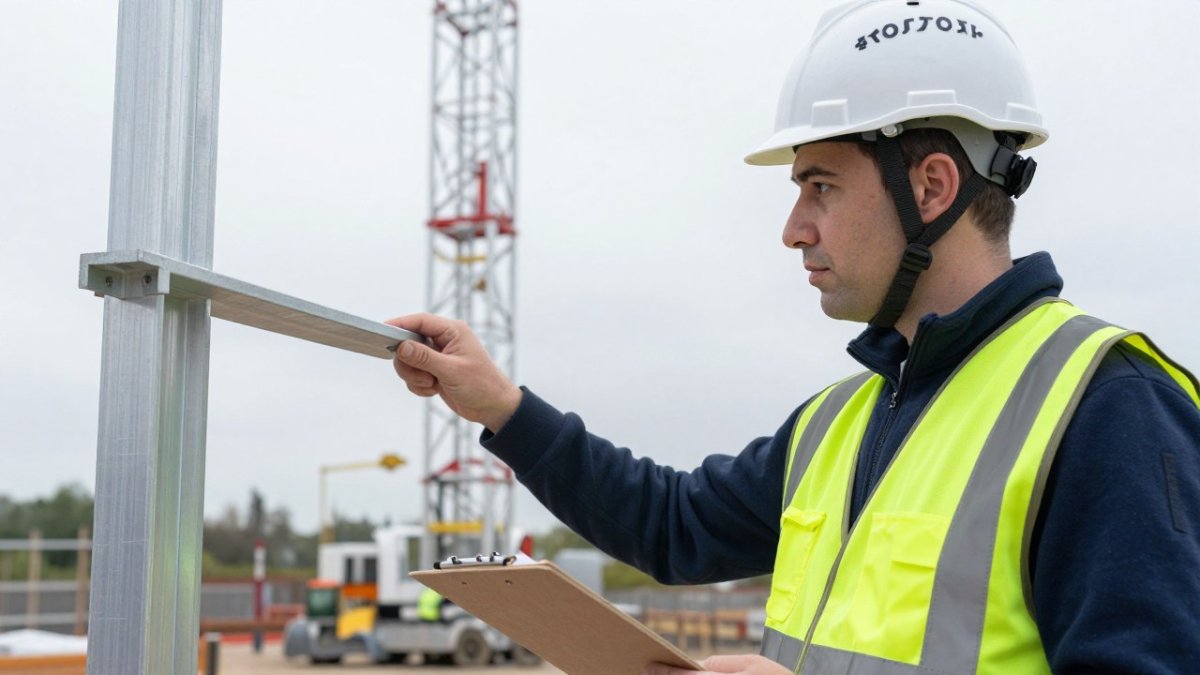
The practical gap in most guidance is that it lists defects without saying what to do about them.
Tier 1, Stop use immediately and do not extend. Any of the following means the tower comes down or stays down until the fault is corrected:
- Cracked, bent or distorted frames, braces or guardrails. Deformation is a fail, not a "use it for now".
- Corrosion or rust at joints, connection points or the base, especially where it has thinned the metal.
- Worn connections, pins or locking collars that no longer lock firmly or have visible play.
- Missing guardrails, toe boards, trapdoors or ladder gates.
- A base that cannot be levelled or stabilised as specified for the height.
Tier 2, Replace the component before re-use. Where the fault is confined to a single part and the rest of the tower passes inspection, fit the correct same-system spare.
A simple rule of thumb: one failed part is a repair; multiple failed parts, distorted frames or unavailable spares is a replacement. You can browse the full range of scaffold tower spare parts to match your system and get it back into service.
Watch out: mixing a replacement part from a different system because it "looks like it fits" can leave the tower outside its rated configuration, even if every individual part is sound.
Your Scaffold Tower Inspection Checklist Before Any Extension
Run this check every time you plan to add a lift, not just when something looks wrong. It takes minutes and catches the problems that cause falls.
- Confirm the tower is rated for the new height in the manufacturer's instructions
- Check every frame, brace and platform for cracks, bends or corrosion
- Test all connections and pins for a firm lock
- Confirm guardrails, toe boards and trapdoors are present and secure
- Check the access ladder and gate
- Confirm stabilisers or outriggers are fitted as specified for the height
- Check the ground is level and firm, and use a spirit level on the base
- Confirm the tower is vertical and square before climbing
Stability is the item people rush. If the tower is going higher, the footing has to be wider and firmer. Our standard stabilisers are built to add that footing and are compatible with common tower systems.
Scaffold Tower Inspection Frequency and Who Should Sign It Off
Inspection is where the replace-or-extend decision becomes evidence rather than opinion. A tower should be inspected before first use, after any alteration such as adding a lift, and at regular intervals while in use.
Who signs it off? A trained and competent person. That means someone with the knowledge and experience to spot defects and confirm the tower is safe. Many sites use a written record so the inspection can be evidenced if asked.
What most guides miss is that the inspection record should feed directly into the extend-or-replace call. Use the record to answer three questions before any extension:
- Is the tower still within its rated configuration? Check the manufacturer's instructions against what is actually erected, including stabilisers and outriggers.
- Has any part failed since the last inspection? A single failed part is a repair; multiple failures or distorted frames point to replacement.
- Is the inspection history clean? Repeated defects on the same tower are a pattern, not bad luck. A tower that keeps failing inspection is telling you it is the wrong tower for the work.
Two practical points:
- Keep a simple log. Date, tower ID, what was checked, who checked it, and any action taken. Note any defect that led to a part being replaced or the tower being retired.
- Do not self-certify a tower you are unsure about. If in doubt, take it down and get advice.
A clean inspection record supports extension. A record with repeated defects, missing parts or unavailable spares supports replacement. That is the difference between extending a sound tower and stretching a tired one.
The Extend vs Replace Decision Matrix: Cost, Time and Risk
Use this matrix to make the call quickly and consistently. Score your situation against each row and lean toward the column that fits.
| Factor | Extend the tower | Replace the tower |
|---|---|---|
| Tower condition | Sound, all parts pass inspection | Worn, bent or corroded parts |
| Height needed | Within the maker's rated maximum | Beyond the rated maximum |
| Parts compatibility | Same-system parts available | Mixed or unavailable parts |
| Job duration | Short, one-off task | Repeated or long-term use |
| Stability setup | Stabilisers specified and fitted | Cannot be made stable at height |
| Time to get working | Fast if parts are in stock | Longer, but one reliable tower |
| Overall risk | Low if all above are met | Lower than a stretched tower |
The pattern is simple. Extend when the tower is sound, the height is within its rating, and the parts match. Replace when any of those fails, or when the job keeps pushing the tower to its limit. A tower that is always being stretched is telling you it is the wrong tower for the work.
Choosing Your Next Tower or Extension from Leader Pro
If the matrix points to replacement, choose a tower rated for the work you actually do, not just the job in front of you. Our industrial scaffold towers are built from aluminium for trade and commercial use, with BS EN 1004 quality standards.
Here is how we would approach it:
- Match the tower's maximum height to your tallest regular job, with headroom to spare.
- Pick single or double width based on platform area and stability needs.
- Confirm the parts and stabilisers you need are available for that system.
- Keep a small stock of common spares so a bent brace never stops a job.
If you are extending, buy only same-system parts rated for the new height. If you are replacing, buy once and buy for the range of work ahead.
The real challenge is not choosing between extending and replacing. It is knowing, with confidence, which one keeps your team safe and your job moving. That is where Leader Pro Scaffold Towers helps: BS EN 1004 quality standards, manufacturer-direct pricing, fast next-day delivery and a full range of spare parts to keep your equipment working.
Frequently Asked Questions
When should a scaffold tower be replaced rather than extended?
Replace rather than extend when the required working height exceeds the manufacturer's stated maximum, when frames, braces or locking pins are bent, cracked or corroded, or when the parts you need are not compatible with your existing tower. If extending would push the tower past its load capacity or height limit, a taller compliant scaffold tower is the safer and often cheaper route. Always check the manufacturer's instructions and the data plate before adding a lift.
Can you extend a scaffold tower with parts from a different manufacturer?
No. Mixing frames, braces or guardrails from different manufacturers breaches scaffold tower compatibility and voids the BS EN1004 certification of the assembly. Even where tube diameters look similar, locking mechanisms, frame spacing and load ratings differ. Only use components supplied for your specific tower system, and confirm the permitted configurations in the manufacturer's instructions before you build.
How often should a scaffold tower be inspected?
Inspect before every use, after any alteration or extension, after moving the tower, and following adverse weather or an impact. A trained and competent person should carry out the checks and record them. For towers in continuous use, a formal inspection at least every seven days is standard practice on site. Keep the records with the tower so they are available if you are audited.
Can bent or cracked scaffold tower components be repaired?
Bent frames, cracked castings, worn locking pins and distorted braces should be replaced, not repaired. Welding or straightening aluminium components compromises their strength and invalidates certification. Remove damaged parts from service immediately, tag them as defective and order replacements. Keeping spare braces, pins and guardrails in stock reduces downtime and stops damaged parts finding their way back into an assembly.